
There was a time when anime titles were simple. Naruto. Bleach. Death Note. Monster. One word. Maybe two. They sounded cool, mysterious, and memorable. Sometimes they made sense, and other times they were an obscure reference. Afterall, what does Bleach have to do with sword wielding shinigami? I guess they both clean up.
Fast forward to today, and your average seasonal anime sounds less like a title and more like the first paragraph of a fanfiction:
"I Was Reincarnated as the Weakest Accountant but My Spreadsheet Skills Made Me the Strongest Demon Lord's Personal Financial Advisor."
Instead of a title they now read like the first few pages of a spoiler filled summary. So when did this happen?
Modern anime—especially adaptations of light novels—has developed a fascination with turning the entire premise into the title itself. Instead of inviting curiosity, many titles answer every question before you've even seen the poster.
Imagine if older classics followed the same trend.
Death Note becomes I Found a Notebook That Kills Anyone Whose Name I Write in It, but a Genius Detective Keeps Chasing Me.
Attack on Titan turns into Humanity Lives Behind Giant Walls Because Man-Eating Giants Keep Trying to Eat Everyone.
One Punch Man, well I mean it’s already the premise of the show, but a much less snappy version is I Became So Strong That Every Fight Ends in One Punch and Now I'm Bored and Bald.
I think it seems to have stripped some of the mystery out of anime, but I do have a theory, and of course it comes down to the fact that, at some point, studios have to compete for our attention. It's easy to laugh at these titles, but in a world of clickbait and short form content, are we that surprised that anime is starting to change along with the way people view media?
Not only that but most of these stories begin as web novels. They're uploaded alongside thousands of other amateur stories on crowded publishing sites where readers scroll endlessly through new releases. A mysterious title like Re:Zero or Erased doesn't tell a newcomer anything.
A title like:
The World's Strongest Assassin Gets Reincarnated in Another World as an Aristocrat.
...immediately explains exactly what you're getting. It's less of a title and more of a sales pitch. Think of it as YouTube thumbnails in text form. The audience already knows whether they'll click.
But here's the problem, a title's job isn't to explain everything. It's supposed to intrigue you. Great titles leave room for imagination. They are sometimes confusing, but they are most important memorable. Ghost In The Shell, Cowboy Bebop, Steins;Gate, Akira.
You hear those names and immediately want to know more. You talk about them with your friend and you don’t stumble over them as you struggle to remember what the full thing was. Compare that with a modern title that reads like a complete plot synopsis. There's no mystery left. It's like watching a movie trailer that explains every twist before you've bought your ticket.
They're also impossible to recommend. Imagine recommending anime to a friend. "Have you watched Monster?" Simple. Now imagine saying: "Have you seen *My Daughter Left the Nest and Returned an S-Rank Adventurer*?"
Halfway through saying it, your friend has already opened TikTok. Long titles aren't just awkward—they're forgettable. Ironically, the attempt to be descriptive often makes them harder to remember. Most fans end up shortening everything anyway. The community has adapted. Every long title eventually becomes an acronym or nickname. Konosuba. DanMachi. Oregairu. Tensura.
Now new viewers have to learn an entirely different language just to follow anime discussions. And what we are doing is building additional gatekeeping into an already annoyingly barriered form of entertainment. We’ve gone form paragraphs tp a title to an impenetrable shorthand only intelligible to people already in the know.
We've somehow managed to create the worst of both worlds.
Thankfully there is a small reprieve. Nerds are forever at least somewhat self-aware of their foibles. Some lengthy titles are intentionally absurd and wear their ridiculousness proudly. In those cases, the oversized name becomes part of the joke. And some have become iconic despite their length because the shows themselves are genuinely entertaining.
So the issue isn't that a title has ten words. It's when the title replaces good marketing with a plot summary. It’s convenience over care. It’s when distribution feels it needs to be shoved under our noses rather than a genuine respect for your audience's intelligence and time.
Which has led me to believe anime doesn't have a long-title problem. It has a confidence problem. The best stories trust that people will discover why they're interesting. The worst ones try to convince you before you've even pressed play.
A great title should make you ask a question. Not answer all of them. Because if your anime title is longer than the episode description...
...maybe it's time for an editor.

About the author
Pheebs
Co-host of NCN's Anime Club where every week we look at a different anime and put it to the 3 episode test. Would you recommend something after watching 3 episodes? https://www.youtube.com/@animeclubuk
See all articles by PheebsComments
Loading…
Loading comments…
Keep reading
Related stories
Anime
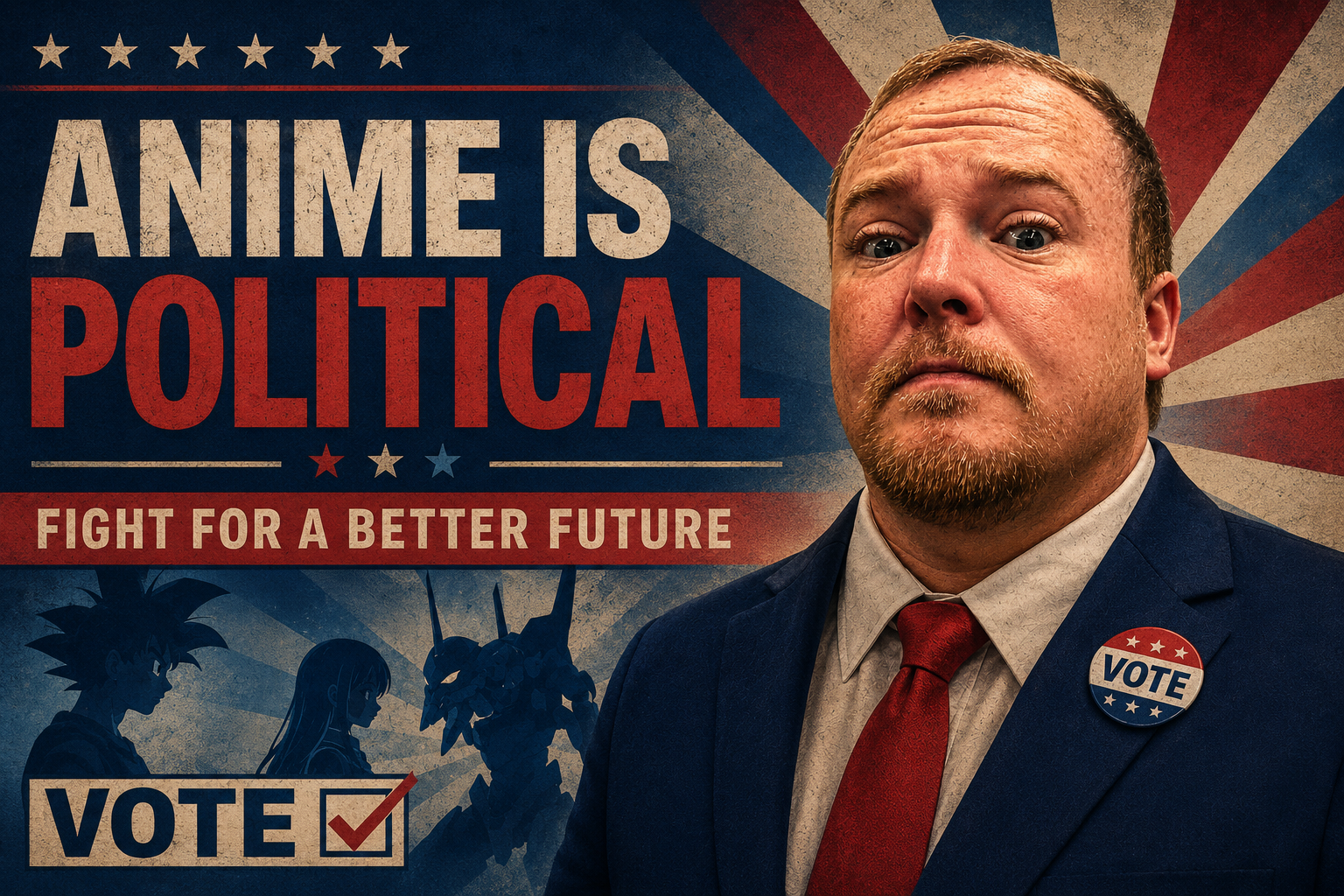
Anime Hot Take: 5 Reasons Why Anime Is Political
Anime is often treated as an escape from reality—a medium filled with colorful characters, epic battles, and imaginative worlds. While it certainly offers entertainment, it also serves as a powerful vehicle for political ideas.
Read more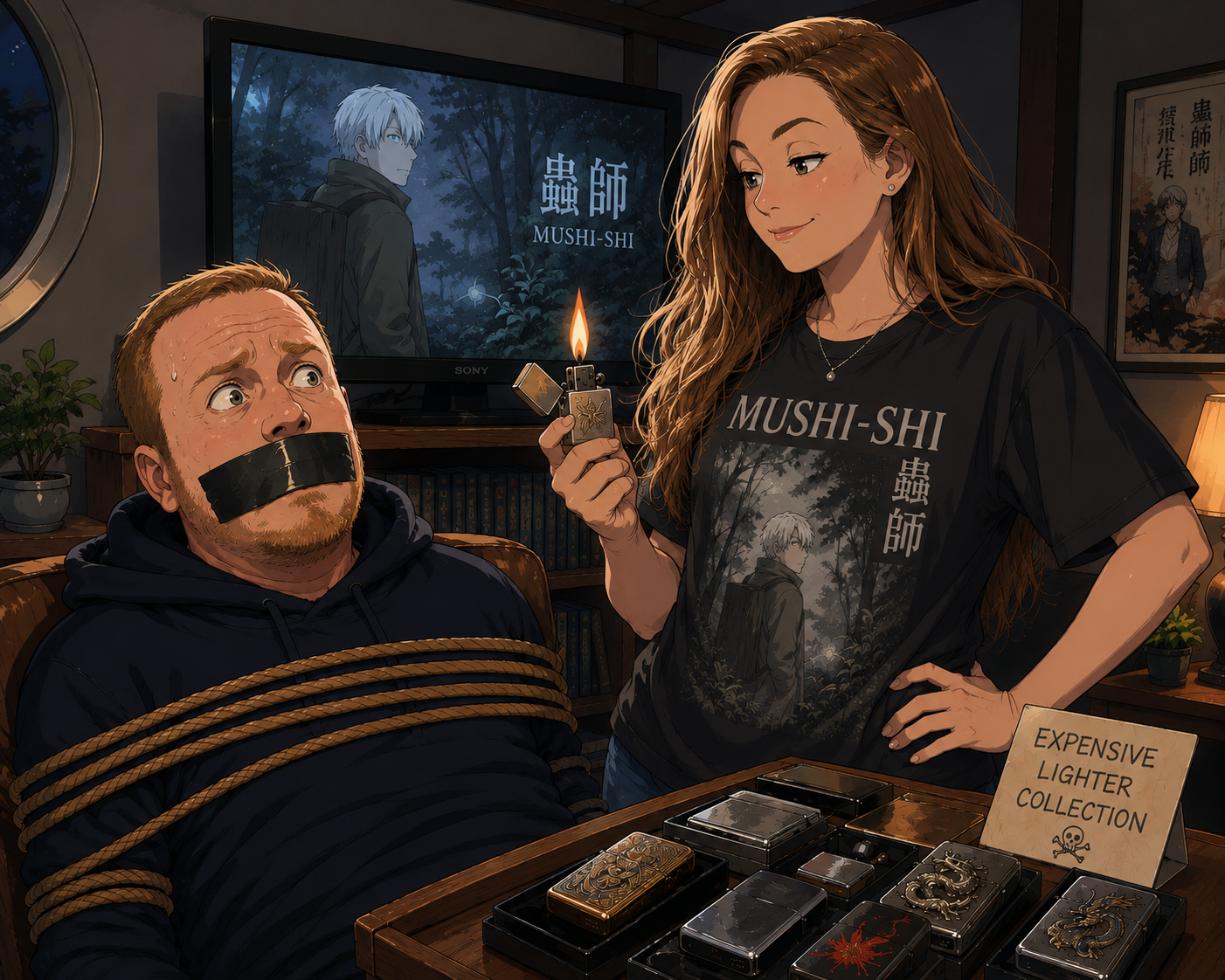
Anime
Anime Hot Take: Why kris should stop being a pain in the arse and just watch Mushi-shi already
Happy Birthday buddy, now stop being a dick and let's have a talk.
Read more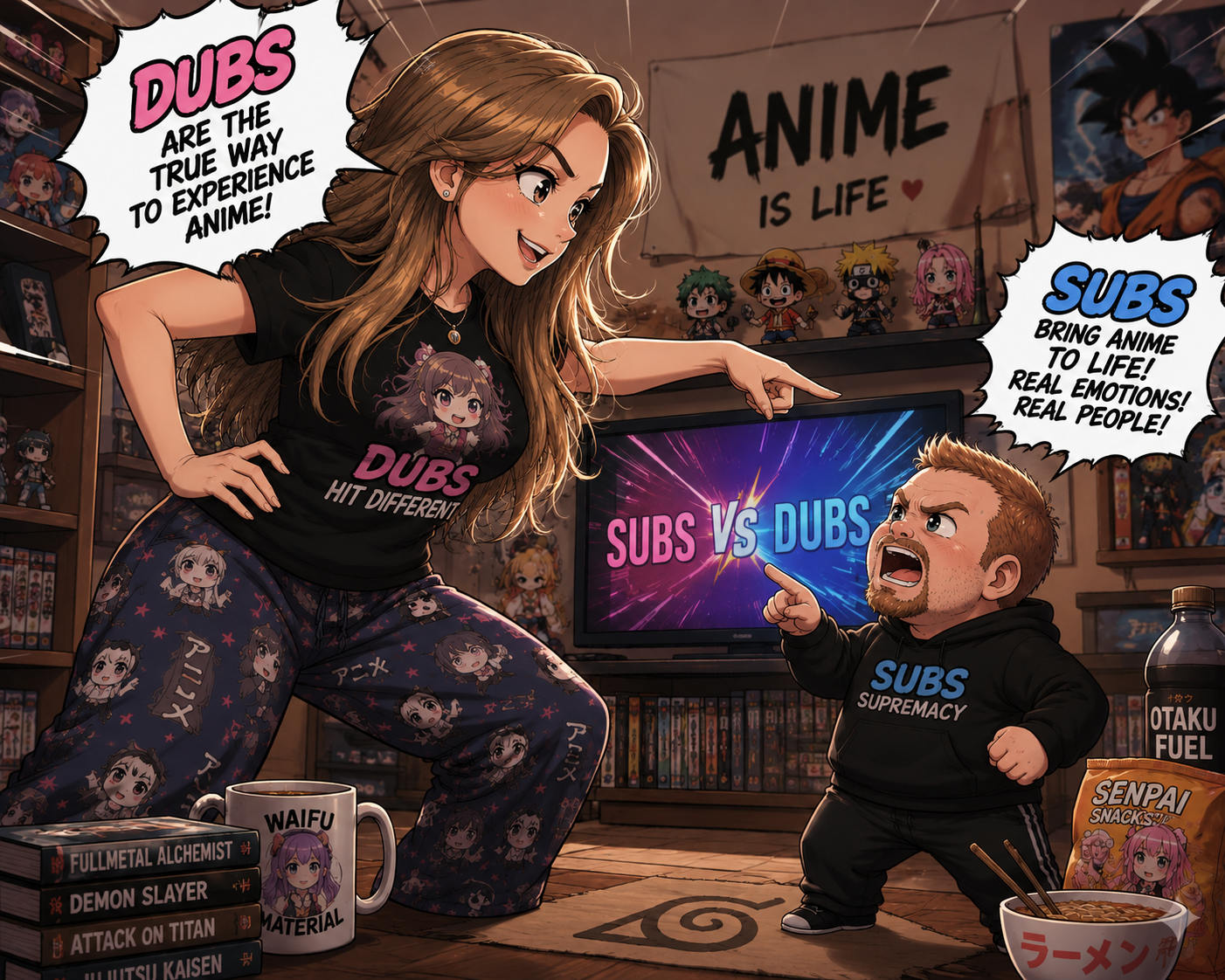
Anime
Anime Hot Take: Dubs vs Subs
I know what I said, and I stand by it. I don’t care how people watch anime, I just want them to enjoy it. But for the sake of equality, here’s the thing. I will always go for Dub over Subs, despite what other articles on this website might imply.
Read more